A new chimney liner is one of the bigger chimney bills a homeowner can face. The price depends on the liner type, the height of the chimney and the appliance it serves. This guide explains what chimney liner installation costs on Long Island and what drives that number.
It also covers when you actually need a new liner. Not every relining quote holds up, and we explain how to check one.
What a chimney liner does
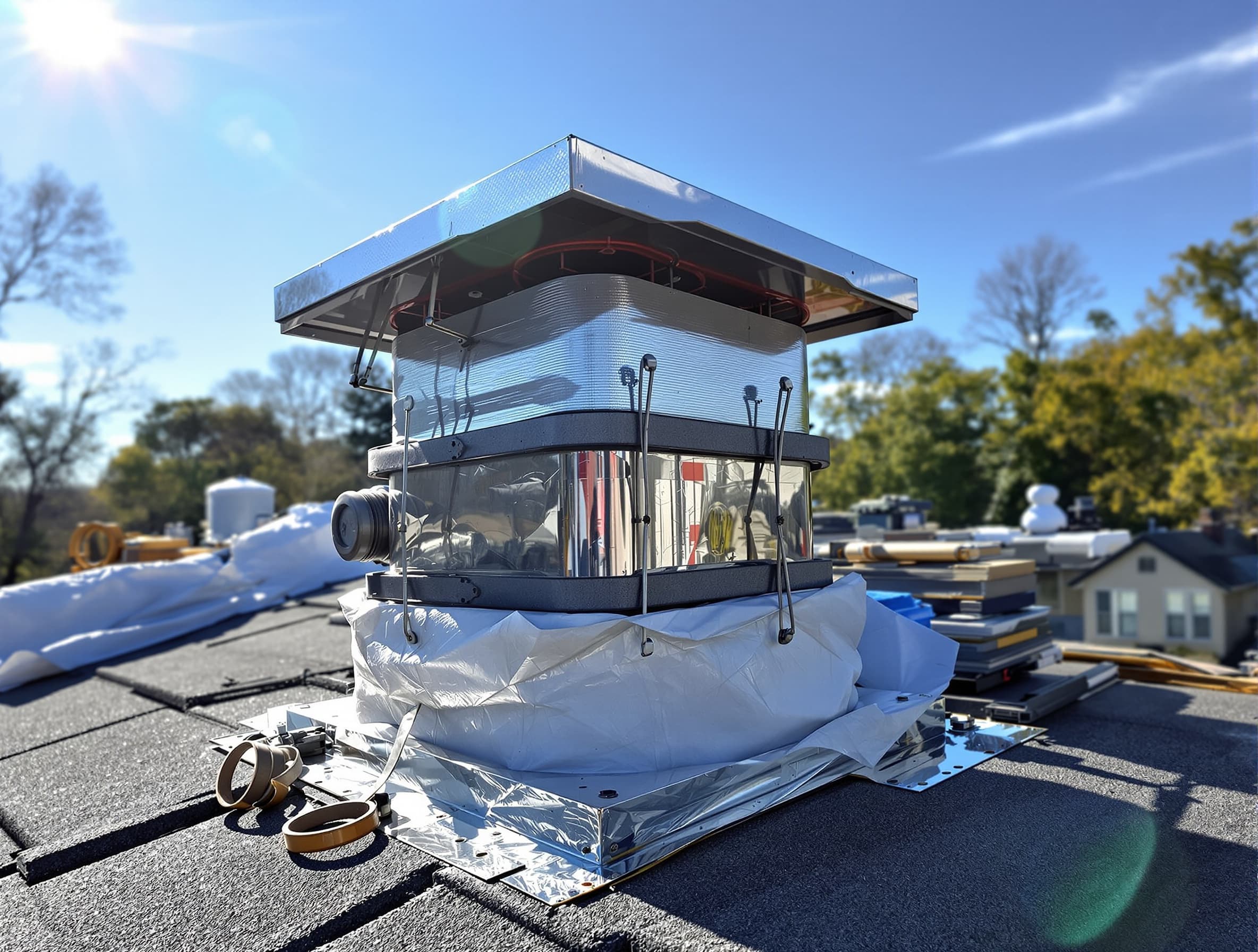
A chimney liner is the inner wall of the flue. It carries smoke and exhaust gases up and out of the house. It also protects the brick and mortar from heat and acidic moisture.
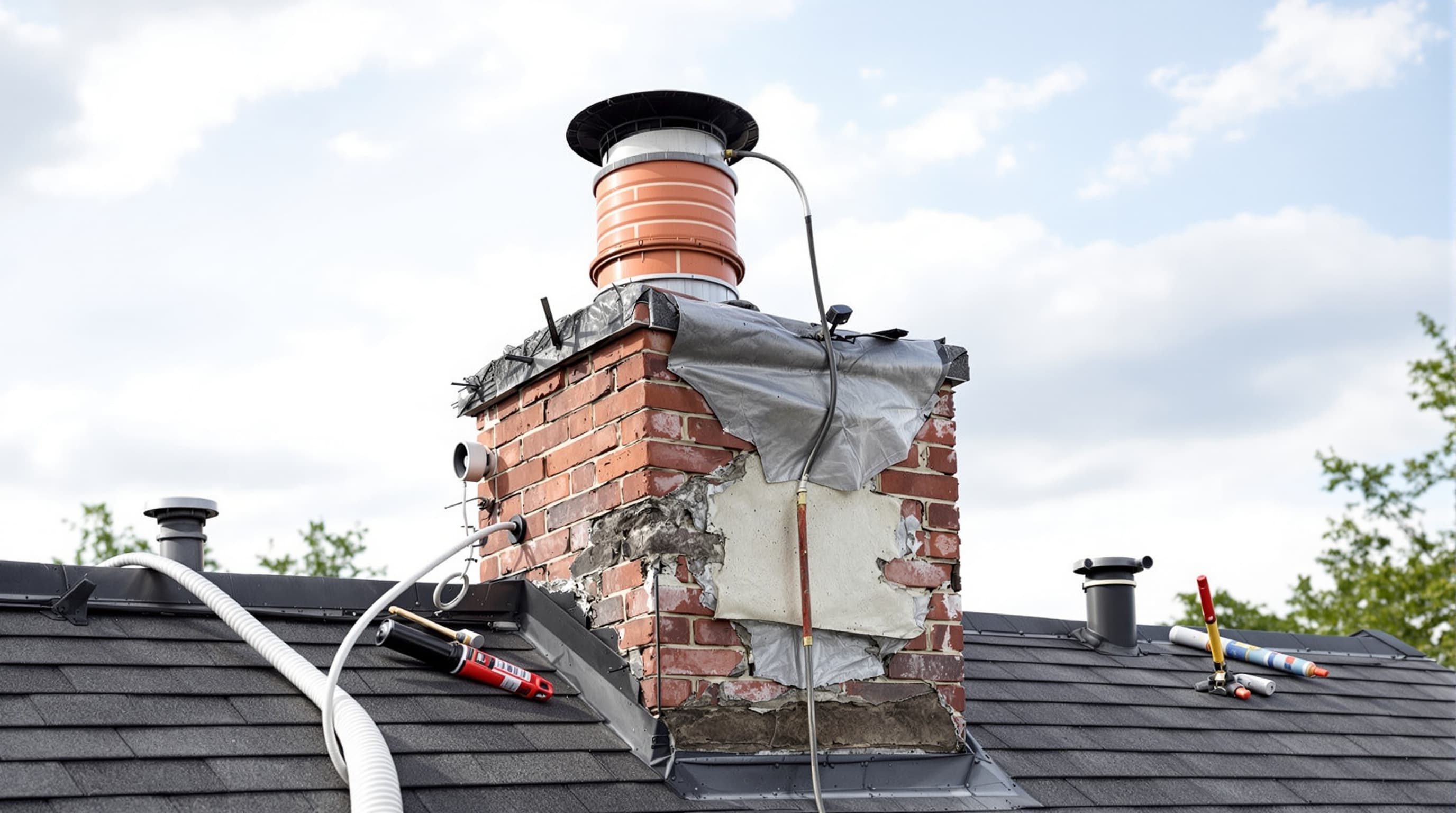
Most older Long Island chimneys were built with clay tile liners. Over the decades those tiles crack and the mortar joints wear away. A damaged liner can let heat reach nearby wood framing. It can also let carbon monoxide leak into the living space.
What drives the cost of a new chimney liner
No two chimneys price out the same. These are the main things that move the number:
- Chimney height. Liner is sold by the foot. A two-story chimney needs more of it than a ranch.
- Flue size and shape. Large or oval flues can need a bigger or reshaped liner. Sometimes broken clay tiles must be removed to make room.
- Insulation. Many liners need an insulation wrap to meet code and their listing. It keeps flue gases hot and adds to the cost.
- The appliance. Wood, oil and gas call for different liner grades. The liner also has to be sized to the appliance it serves.
- Roof access. Steep or high roofs take more time and more safety gear.
- Other repairs. A cracked crown or a damaged smoke chamber is often fixed on the same visit. That work is priced on its own.
What a stainless steel chimney liner costs
Stainless steel is the most common choice for relining. With the right grade it works for wood, oil and gas. National cost guides put most stainless liner jobs at roughly $2,000 to $5,000. Long Island labor costs tend to push jobs toward the higher end.
A tall chimney or a large flue can push the price past that range. So can a lot of insulation or tile removal. Treat these figures as typical ranges, not a quote. A camera inspection is the only way to price a specific chimney.
How other liner types compare on cost
Aluminum liners cost less than stainless. They are only approved for certain gas furnaces and water heaters. They cannot be used for wood or oil.
Cast-in-place liners are a cement-like mix poured into the chimney around a form. They usually cost more than stainless. They can also add strength to an old chimney with weak masonry.
New clay tiles are rarely used to reline an existing chimney. Replacing them usually means opening up the masonry. That adds a lot of labor.
Our guide to stainless, clay and cast-in-place liners compares them in more detail.
When a chimney needs a new liner
A new liner is usually needed in one of these situations:
- A camera inspection shows cracked, shifted or missing clay tiles.
- The chimney has had a chimney fire.
- You are switching fuels, such as oil to gas.
- A new furnace, boiler or water heater needs a different flue size.
Fuel switches are common on Long Island as homes move off oil. Gas exhaust carries more water vapor than oil exhaust. In an old clay flue, that moisture can break down the tiles and mortar.
There is also the problem of an orphaned water heater. Sometimes a furnace is replaced with a high-efficiency unit that vents out a side wall. The water heater is then left alone in a flue sized for two appliances. That flue is often too big for it to draft well. The usual fix is a smaller liner sized to the water heater.
Get a camera inspection before you pay for a liner
The only way to know a liner's condition is to look inside it. NFPA 211 calls for a Level II inspection in certain cases. That inspection includes a camera scan of the flue. It applies after a chimney fire and when the fuel or appliance changes. It also applies when a home is sold.
Be careful with a relining quote made without camera footage. Ask to see the photos or video of the damage. A good contractor will walk you through them.
We offer camera chimney inspections with a written report. Our guide explains how the three chimney inspection levels differ.
How long chimney relining takes
A straightforward stainless liner install is usually done in a single day. Tall chimneys, more than one flue or extra repairs can stretch it to two days or more.
Chimney relining on Long Island
We handle chimney relining for homes across Nassau and Suffolk County. On the North Shore, that includes chimneys in Oyster Bay and the villages around it. In Suffolk, see our chimney services in Islip.
Call (631) 625-8789 for a free estimate on your chimney liner.
Frequently asked questions about chimney liners
How long does a stainless steel chimney liner last?
A properly sized and installed stainless liner can last many years. Many come with a lifetime warranty from the manufacturer. Warranty terms vary, so read them before you sign.
Can I use my fireplace with a cracked liner?
It is not safe. A cracked liner can let heat reach wood framing. It can also let smoke and carbon monoxide into the house. Stop using the fireplace until the chimney is inspected.
Does homeowners insurance pay for a new chimney liner?
Usually not for normal wear and tear. Damage from a sudden event like a chimney fire may be covered. Check your policy and call your insurer before the work starts.